Nourish Your Body: A Guide to Healthy Nutrition
Welcome to the Holistic Health Hub's nutrition section! Here, we believe that a healthy diet is the cornerstone of overall well-being. Explore our comprehensive guide to learn about the importance of balanced eating, essential nutrients, and delicious recipes to fuel your body and mind. Our team of registered dietitians, including Sarah Miller, RD, and David Chen, PhD, have curated this content to provide you with accurate, actionable advice for optimizing your health through nutrition. We're based in vibrant Austin, Texas, known for its commitment to health and wellness.
The Importance of a Balanced Diet
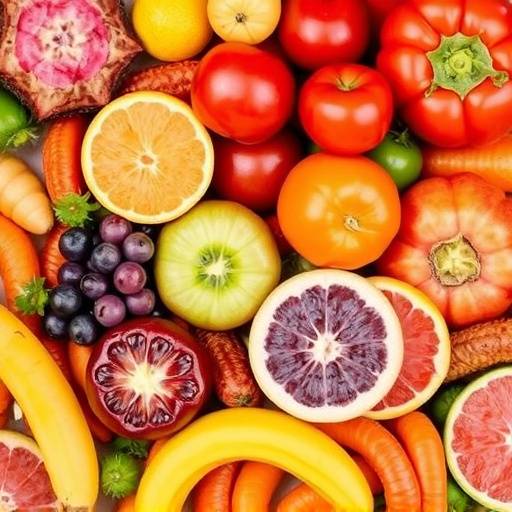
A balanced diet provides your body with the essential nutrients it needs to function optimally. This includes a variety of foods from all food groups: fruits, vegetables, grains, protein foods, and dairy. Eating a balanced diet can help prevent chronic diseases, maintain a healthy weight, improve energy levels, and boost your mood. Consider incorporating the Mediterranean diet principles, focusing on whole grains, lean proteins, and healthy fats like olive oil.
Key Components of a Balanced Diet:
- Plenty of fruits and vegetables: Aim for at least five servings a day.
- Whole grains: Choose whole wheat bread, brown rice, and oats over refined grains.
- Lean protein sources: Include fish, poultry, beans, lentils, and tofu in your diet.
- Healthy fats: Opt for avocados, nuts, seeds, and olive oil.
- Limit processed foods, sugary drinks, and saturated fats.
Remember, balance is key! Depriving yourself of certain food groups can lead to nutrient deficiencies and unhealthy eating habits. Consult with a registered dietitian at Holistic Health Hub for personalized dietary advice.
Understanding Macronutrients
Macronutrients are the building blocks of your diet, providing energy and supporting vital bodily functions. They include carbohydrates, proteins, and fats. Understanding their roles and incorporating them in the right proportions is essential for optimal health.
Carbohydrates
Carbohydrates are your body's primary source of energy. Choose complex carbohydrates, such as whole grains, fruits, and vegetables, over simple carbohydrates, like sugary drinks and processed foods. Complex carbs provide sustained energy and are rich in fiber.
Proteins
Proteins are essential for building and repairing tissues, as well as producing enzymes and hormones. Good sources of protein include lean meats, poultry, fish, eggs, beans, lentils, and tofu. Aim for a variety of protein sources in your diet.
Fats
Fats are important for hormone production, nutrient absorption, and cell function. Focus on healthy fats, such as monounsaturated and polyunsaturated fats, found in avocados, nuts, seeds, and olive oil. Limit saturated and trans fats, which can increase your risk of heart disease.
Here's a general guideline for macronutrient ratios, but individual needs may vary:
| Macronutrient | Percentage of Daily Calories |
|---|---|
| Carbohydrates | 45-65% |
| Proteins | 10-35% |
| Fats | 20-35% |
Remember to listen to your body and adjust your macronutrient intake based on your activity level, health goals, and individual needs. Our nutrition experts at Holistic Health Hub can help you determine the optimal macronutrient ratio for your lifestyle.
The Vital Role of Micronutrients

Micronutrients, including vitamins and minerals, are essential for a wide range of bodily functions, from immune system support to bone health. While you only need them in small amounts, deficiencies can lead to serious health problems.
Vitamins
Vitamins are organic compounds that play crucial roles in energy production, immune function, and cell growth. They are classified as either water-soluble (vitamins C and B) or fat-soluble (vitamins A, D, E, and K). It's important to consume a variety of vitamin-rich foods to ensure you're getting all the vitamins you need.
Minerals
Minerals are inorganic substances that are essential for bone health, nerve function, and fluid balance. Key minerals include calcium, iron, potassium, and magnesium. Like vitamins, minerals are best obtained through a varied and balanced diet.
Common Nutrient Deficiencies and Their Symptoms:
- Iron: Fatigue, weakness, pale skin
- Vitamin D: Bone pain, muscle weakness, fatigue
- Vitamin B12: Fatigue, nerve damage, anemia
- Calcium: Muscle cramps, brittle bones
If you suspect you may have a nutrient deficiency, consult with a healthcare professional or registered dietitian. They can assess your nutritional status and recommend appropriate dietary changes or supplements.
Delicious and Healthy Recipes
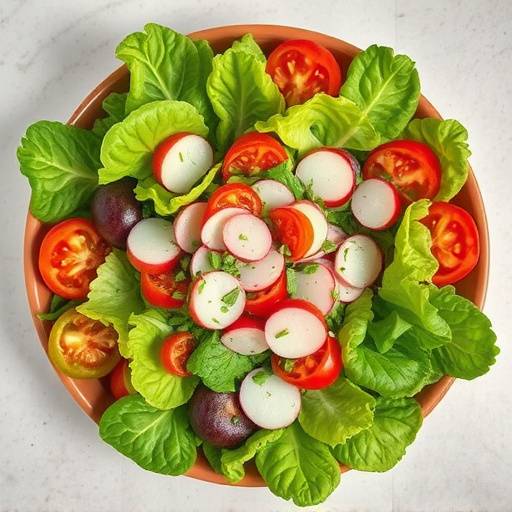
Eating healthy doesn't have to be boring! Here are a few delicious and nutritious recipes to inspire your culinary journey:
Quinoa Salad with Roasted Vegetables
This vibrant salad is packed with protein, fiber, and vitamins. It's perfect for a light lunch or side dish.
- Ingredients: Quinoa, roasted vegetables (such as bell peppers, zucchini, and eggplant), chickpeas, feta cheese, lemon vinaigrette.
- Instructions: Cook quinoa according to package directions. Roast vegetables until tender. Combine all ingredients in a bowl and toss with lemon vinaigrette.
Salmon with Asparagus and Lemon
A simple and elegant dish that's rich in omega-3 fatty acids and protein.
- Ingredients: Salmon fillet, asparagus, lemon slices, olive oil, salt, pepper.
- Instructions: Preheat oven to 400°F (200°C). Place salmon and asparagus on a baking sheet. Drizzle with olive oil, season with salt and pepper, and top with lemon slices. Bake for 12-15 minutes, or until salmon is cooked through.
Overnight Oats with Berries and Seeds
A quick and easy breakfast option that's packed with fiber and antioxidants.
- Ingredients: Rolled oats, milk (dairy or non-dairy), chia seeds, berries (such as blueberries, strawberries, and raspberries), honey or maple syrup (optional).
- Instructions: Combine all ingredients in a jar or container. Stir well and refrigerate overnight. Enjoy cold in the morning.
For more healthy recipes and personalized meal plans, consider joining our online nutrition program. Led by experienced dietitians, our program provides you with the tools and support you need to achieve your health goals.